
BY YASSIN ALI
Kenya is quietly entering an electric mobility revolution. Across towns and highways, battery-swapping and charging stations for electric motorbikes are beginning to appear, promising cleaner transport, lower fuel costs, and a new wave of innovation. But beneath this progress lies a growing risk we are choosing to ignore.
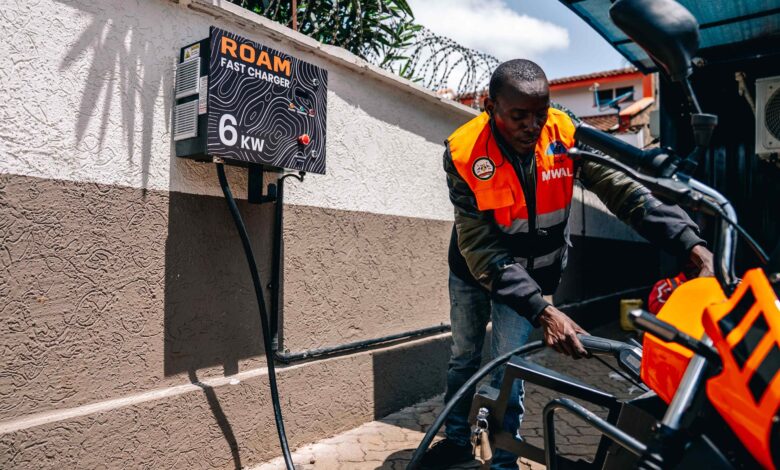
Today, each electric motorbike company is building its own charging ecosystem: its own battery design, swapping stations, and proprietary infrastructure. While this may make sense from a competitive standpoint, the long-term consequences are troubling. If left unchecked, our streets, estates, and trading centres will soon be littered with multiple, incompatible charging stations sitting side by side, each serving only a fraction of riders. That is not just inefficient, it is unsustainable.
We have already seen how fragmentation creates problems. Before standardisation, every device came with its own charger — different ports, different cables, unnecessary duplication. It took global pressure and regulatory action, like the adoption of USB-C, to bring order. Today, one charger powers multiple devices, reducing cost and significantly cutting electronic waste. The lesson is clear: standardisation works.


Now, imagine the alternative future for Kenya’s electric mobility sector. Without unified standards, every new company will deploy its own network of stations. Old models will become obsolete. Batteries will be discarded when companies pivot or collapse. Entire charging units will be abandoned as technologies shift. This is how an e-mobility dream quietly turns into an e-waste crisis.
Kenya already struggles to manage electronic waste. Adding thousands of incompatible battery systems and charging stations will only deepen the problem. What begins as innovation could end as an environmental burden unless we act early.
The solution is not to slow innovation but to guide it. Government agencies, energy regulators, and industry players must come together to define shared standards for battery design, charging interfaces, and swapping infrastructure. Just as we standardised mobile communication and embraced universal charging ports, we must now standardise electric mobility systems.
A rider should be able to walk into any station and swap a battery regardless of the motorbike brand. A charging station should serve multiple operators, not just one. Infrastructure should be shared, not duplicated. That is how you build a scalable, efficient ecosystem.
If we get this right, Kenya can lead Africa in clean, organised, and sustainable electric mobility. If we get it wrong, we risk a patchwork of inefficiencies and a future landfill of electronic waste.
The electric revolution is here. The question is whether we will build it wisely or clutter our future with avoidable mistakes.
The author is the Public Policy and Energy Transitions strategist.